Jaw pain can be surprisingly disruptive. It can affect how you eat, speak, yawn and even sleep. For many people, discomfort around the jaw becomes a daily irritation that gradually worsens over time. What often starts as a clicking sound or mild stiffness can develop into persistent pain that spreads into the head, neck and shoulders. Understanding what is happening inside the jaw joint is the first step towards effective treatment.
Temporomandibular joint disorders, often shortened to TMJ or TMD, refer to problems affecting the joint that connects the jawbone to the skull. This small but complex joint plays a vital role in everyday movement. When it becomes irritated, inflamed or misaligned, symptoms can extend far beyond the jaw itself. Many people are unaware that osteopathy offers a gentle and holistic approach to addressing these issues.
Understanding the Temporomandibular Joint
The temporomandibular joint sits just in front of each ear and acts like a sliding hinge. It allows the lower jaw to move up and down, side to side and slightly forward. This movement is coordinated by muscles, ligaments and a small disc inside the joint that helps cushion motion. Because the joint is used constantly throughout the day, even small imbalances can cause strain.
Unlike many other joints in the body, the TMJ must work in harmony with the neck, upper spine and surrounding muscles. If tension builds in the neck or shoulders, it can influence jaw mechanics. Equally, problems within the jaw can contribute to headaches and upper back discomfort. The body is interconnected, and the jaw is no exception.
TMJ disorders may develop gradually due to stress, teeth grinding, posture issues or previous injury. In some cases, dental procedures or trauma to the face can trigger symptoms. However, many people cannot pinpoint a clear cause and simply notice increasing discomfort over time.
Common Symptoms of TMJ Disorders
Jaw pain is often the most obvious symptom, but it rarely appears alone. Many individuals report clicking, popping or grinding sounds when opening or closing the mouth. While occasional clicking can be harmless, persistent noise combined with pain suggests joint irritation.
Headaches are another frequent complaint. The muscles involved in chewing attach around the temples and sides of the head. When these muscles become tight or overworked, tension headaches can develop. Some people also experience earache without infection, facial pain, tooth sensitivity or difficulty opening the mouth fully.
Neck stiffness and shoulder tension often accompany TMJ issues. Because the jaw and neck share muscular and neurological connections, strain in one area can influence the other. This is why treatment that focuses solely on the jaw may not fully resolve symptoms.
Sleep disturbance is also common. Night-time teeth grinding, known as bruxism, places significant stress on the joint and surrounding tissues. Over time, this can lead to inflammation and chronic discomfort.

Why Jaw Pain Is Often Misunderstood
TMJ disorders can be challenging to diagnose because symptoms overlap with other conditions. Headaches may be attributed to stress. Ear pain may be mistaken for infection. Neck stiffness may be treated in isolation. As a result, the root cause can remain unaddressed.
The jaw joint is influenced by posture, spinal alignment and muscular balance. Modern lifestyles that involve prolonged screen use and forward head posture can contribute to strain. When the head sits slightly forward, the muscles at the back of the neck tighten and pull on structures connected to the jaw. Over time, this imbalance may disrupt smooth joint movement.
Stress is another significant factor. Emotional tension often manifests physically through jaw clenching. Many people are unaware they clench their teeth during the day. Continuous low-level clenching fatigues the muscles and compresses the joint.
A holistic assessment is essential in understanding these contributing factors. Rather than focusing only on the site of pain, osteopathy looks at how the whole body is functioning together.
How Osteopathy Approaches TMJ Disorders
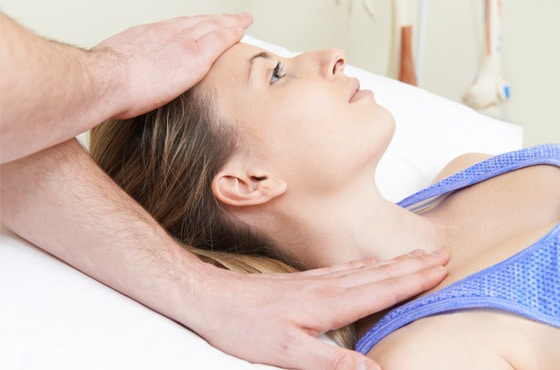
Osteopathy is centred on restoring balance, mobility and healthy movement throughout the body. When treating TMJ disorders, an osteopath will not only assess the jaw but also examine the neck, upper spine, shoulders and posture. The goal is to identify underlying tension patterns that may be contributing to dysfunction.
Treatment typically involves gentle hands-on techniques aimed at releasing muscular tightness and improving joint mobility. Soft tissue work around the jaw and temples can reduce tension in overactive muscles. Careful mobilisation of the jaw joint may help restore smoother movement. Techniques applied to the neck and upper back often complement this process by relieving secondary strain.
Osteopathy does not rely on forceful adjustments. Instead, treatment is tailored to the individual’s comfort and needs. Many patients find sessions relaxing as well as therapeutic. Improving circulation, reducing inflammation and encouraging better alignment can gradually ease symptoms.
An important part of osteopathic care involves advice on posture, stress management and jaw awareness. Learning to recognise clenching habits and making small adjustments to daily posture can significantly reduce strain on the joint.
The Connection Between Jaw Pain and the Neck
The jaw and neck share close anatomical relationships. Muscles that control chewing also attach to the skull and cervical spine. If the neck becomes restricted due to poor posture or previous injury, the jaw may compensate.
Forward head posture, which is increasingly common in desk-based work, places extra load on the cervical spine. This can tighten the suboccipital muscles at the base of the skull. These muscles influence jaw alignment and may contribute to tension headaches alongside TMJ discomfort.
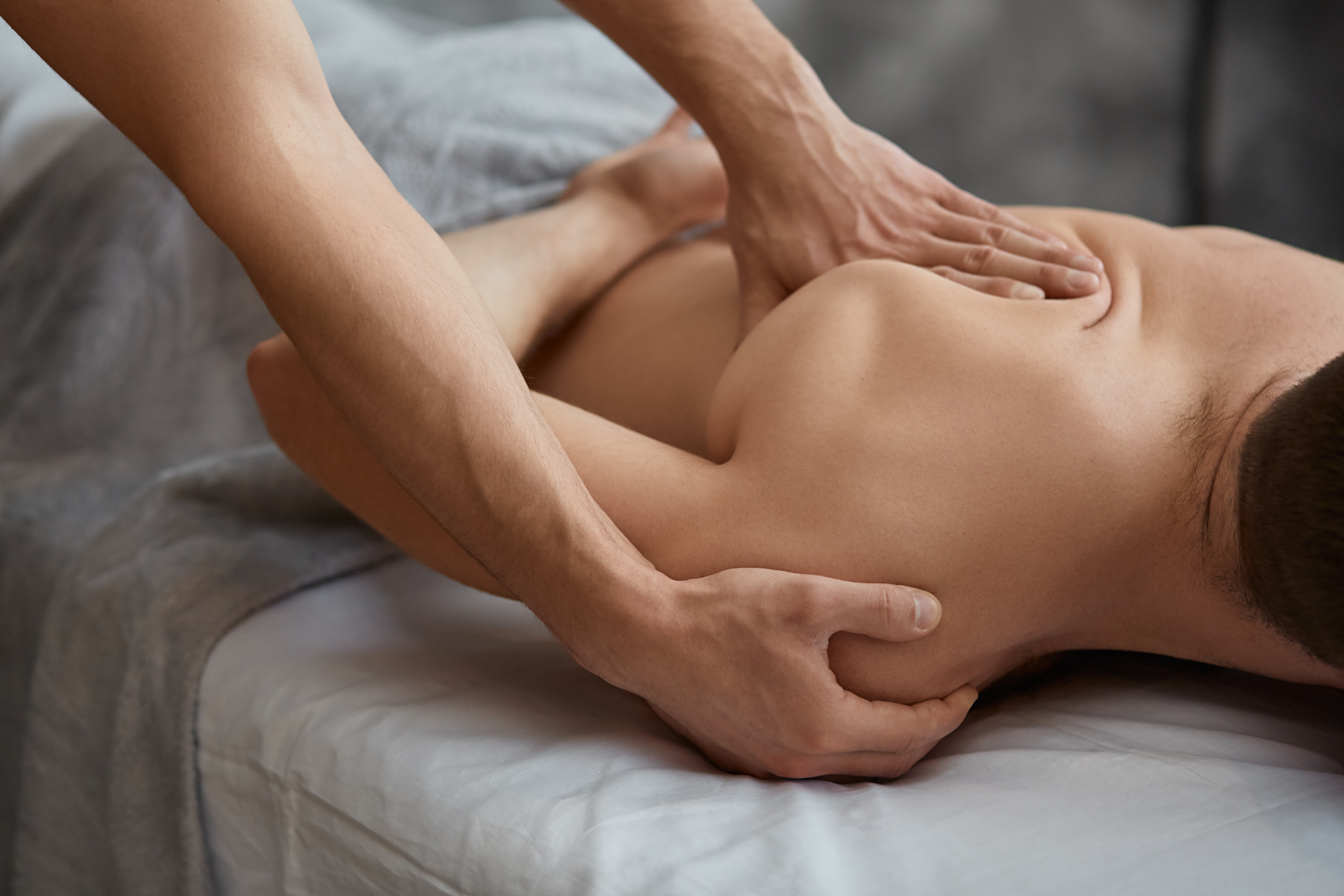
Osteopathic treatment often includes gentle work on the cervical spine to improve mobility and reduce muscular guarding. Restoring balance in this region can relieve pressure on the jaw joint and reduce associated headaches.
By addressing both areas together, osteopathy recognises the interdependence of structures rather than isolating symptoms.

Can Osteopathy Help with Teeth Grinding?
Bruxism is a significant contributor to TMJ pain. While dental appliances such as night guards can protect the teeth, they do not address muscular tension. Osteopathy can support management by working on the muscles responsible for clenching.
Releasing tension in the masseter and temporalis muscles may reduce discomfort and improve jaw function. Treatment can also target stress-related patterns within the body. Many people notice that when overall tension decreases, jaw clenching reduces naturally.
Advice may include relaxation techniques, breathing awareness and posture adjustments that lessen strain. While osteopathy does not replace dental care, it can complement it by addressing muscular and structural factors.
What to Expect During an Osteopathic Appointment
An appointment for jaw pain will begin with a thorough case history. Questions may cover symptoms, dental history, previous injuries, stress levels and daily habits. This information helps build a complete picture of potential contributing factors.
Assessment involves observing posture, examining neck mobility and gently evaluating jaw movement. The osteopath may check how the jaw opens and closes, listen for joint sounds and assess muscle tenderness.
Treatment is always explained clearly before it begins. Techniques are adapted to ensure comfort. Some methods may involve gentle intra-oral work using gloves, while others focus on external muscles and the neck. The approach is collaborative and tailored to individual needs.
At Croxley Osteopathic Clinic in Croxley Green, care is always centred on patient comfort and understanding. Deborah Osborne-Kirby takes time to explain findings and ensure patients feel informed throughout their treatment journey.
When to Seek Help for Jaw Pain
Occasional jaw clicking without pain may not require intervention. However, persistent discomfort, locking of the jaw, difficulty chewing or headaches that do not resolve should be assessed. Early intervention often prevents symptoms from becoming chronic.
If jaw pain follows trauma or is accompanied by severe swelling or neurological symptoms, medical evaluation is important. Osteopathy works alongside other healthcare professionals and referrals are made when necessary.
Many TMJ disorders respond well to conservative, hands-on treatment. Addressing muscular tension, posture and joint mobility can reduce reliance on pain medication and improve quality of life.
Long-Term Management and Prevention
Managing TMJ disorders involves both treatment and lifestyle awareness. Small adjustments can make a meaningful difference. Becoming aware of clenching habits during the day helps reduce cumulative strain. Adjusting workstation ergonomics can ease neck tension. Gentle jaw mobility exercises may maintain flexibility between appointments.
Stress management plays a central role. Regular relaxation, mindful breathing and sufficient rest support muscular health. When the nervous system remains in a heightened state, jaw clenching often follows.
Osteopathy supports the body’s ability to adapt and self-regulate. By restoring balanced movement, it encourages tissues to heal and function more efficiently. Over time, many patients experience fewer flare-ups and improved comfort.
Jaw pain may seem minor at first, but when left untreated it can affect many aspects of daily life. A whole-body approach offers a pathway towards sustainable relief.