If you’re reading this blog, chances are you’re curious about osteopathy, what it is, how treatments are performed, and whether it’s right for you. A complementary therapy, osteopathy is designed to be used alongside traditional treatments to improve overall health and wellbeing. Here at Croxley Osteopathic Clinic, our team are experts when it comes to all things osteopathy and have put together this guide to help you decide if osteopathy is for you!
What is Osteopathy and How Does it Work?
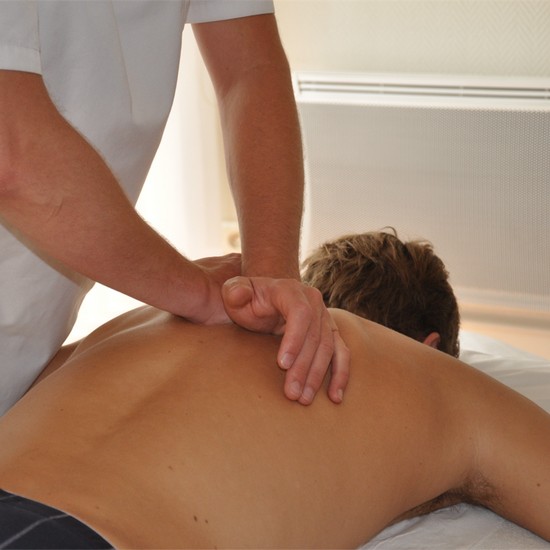
Osteopathy is a way of diagnosing, preventing, and treating certain health problems without the use of drugs or medication by moving, massaging, and stretching a person’s joints and muscles. The treatments provided are designed to positively affect the lymphatic, circulatory, and nervous systems of the body and hands are used to find weak and tender areas and determine if osteopathic treatment is for you.
In the UK, osteopathy is regulated by UK law and while some areas of the UK include osteopathy as an NHS treatment, most people pay privately for their sessions. Qualified osteopaths are trained to recognise when to send a patient for further treatment, such as MRI’s or blood work if further diagnosis is required.
What Does Osteopathy Do?
The treatment used in osteopathy is designed to target a range of health problems to relieve pain and improve overall health and wellbeing. Some common ailments that osteopathic treatments target include:
Arthritis: Gentle massages and stretching the joints has been proven to help relieve pain and stiffness caused by arthritis, making day to day activities easier to perform.
Lower Back Pain: There are many things that can cause lower back pain, and osteopathic treatments are designed to relieve pain and help patients improve posture.
Shoulder and Elbow Pain: This type of pain is typically caused by strain or tension and treatments are designed to help relax muscles and joints to ease this pain.
Simple Neck Pain: For pain not caused by whiplash or other serious injury, gentle osteopathic massages are great for reducing pain and tension in the neck.
Muscle and Joint Pain: As pain in the muscles and joints are usually caused by tension and overuse, your osteopathic practitioner can reduce pain by relaxing these areas.
Sports Injuries: By identifying connective tissue, muscular, and joint problems, osteopaths can help to restore structural balance by increasing blood flow and encouraging lymphatic drainage.
Problems with Hips, Pelvis and Legs: Using osteopathy to focus on these areas increases range of motion and helps to maintain the correct alignment of joints and muscles in these parts of the body.
Who Can Receive Osteopathic Treatment?
There aren’t many limitations on who can receive osteopathic treatment, with only certain life and health conditions being unsuitable for osteopathy, typically where problems have the risk of worsening. While osteopathy is typically suitable for people of all ages and genders, including pregnant women, it is not recommended for those suffering from the following conditions:
– Fractures
– Infections
– Osteoporosis
– Some types of Arthritis
– Blood Clotting Disorders
– Cancer
– Multiple Sclerosis
OR receiving the following treatments:
– Radiotherapy treatments
– Blood thinning medications
How is Osteopathy Performed?
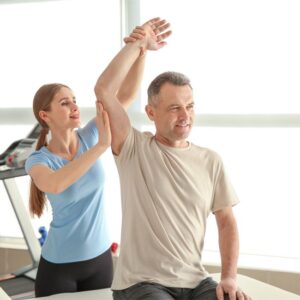
As osteopathy doesn’t use drugs or medications for treatments, a number of techniques are utilised instead. Osteopaths use their hands during examination to locate tender and weak areas as well as restriction or strain within the body. You may be asked to remove clothing for a more in depth examination and you may be asked to do simple movements to test your range of motion.
To restore normal stability and function to help the body heal itself, a bespoke treatment plan will be given to each individual patient that incorporates osteopathic techniques that are both gentle and forceful. These techniques include:
Stretching Joints: To get rid of stiffness and improve motion by easing pain caused by stiff joints.
Massage: To relax muscles and release tension, can be performed on many different parts of the body.
High-Velocity Thrusts: These are short but sharp movements to the spine that make a clicking noise, similar to cracking your knuckles.
Articulation: Where an osteopath will move your joints through their normal range of motion to ease tension and stiffness.
Typically, osteopathy isn’t painful but there may be some discomfort and feel a bit sore for a few days afterwards. It’s a generally safe treatment but as with any medical practice, there may be some minor side effects, such as headache, fatigue, and mild soreness in the treatment area. It’s recommended you should see your osteopath every 3-4 weeks for effective treatment.
Croxley Osteopathic Clinic provides individual appointments for people looking for osteopathic treatment near Watford.

Interested in Osteopathic Treatments? Let Us Help!
Here at Croxley Osteopathic Clinic, our team of highly qualified osteopaths are on hand to provide advice, guidance, and osteopathic treatments to clients in Croxley. If you would like to know more about the benefits of osteopathy and what can be done for you, get in touch with us now! We’re just a phone call away and we can’t wait to hear from you!