At Croxley Osteopathic Clinic, one of the most common questions we hear from patients is simply when they should consider seeing an osteopath. Many people are unsure whether their symptoms warrant professional help or assume that discomfort is just something they have to live with. In reality, osteopathy can support a wide range of conditions, from long-standing pain to sudden injuries, and early treatment often leads to a quicker and more complete recovery. Understanding the right time to seek osteopathic care can make a remarkable difference to how your body heals and how you feel day to day.
Understanding What Osteopaths Actually Do
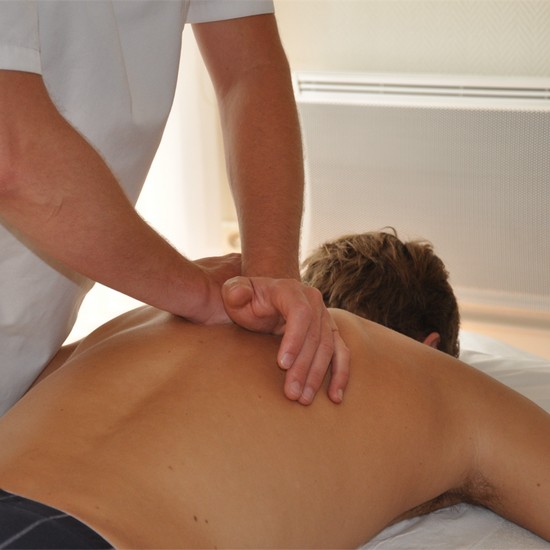
Before exploring when to see an osteopath, it is helpful to understand what osteopathy involves. Osteopathy is a holistic, hands-on approach to diagnosing and treating musculoskeletal issues. Osteopaths focus on how the bones, muscles, ligaments, and joints work together, and how problems in one area can affect the body more widely. Our aim at Croxley Osteopathic Clinic is always to restore balance, improve mobility, and encourage the body to heal naturally. Treatment may involve soft tissue techniques, gentle joint mobilisation, stretching, or tailored advice on posture and movement. Because osteopathy is person-centred, no two treatment plans look exactly the same.
When Everyday Aches Become More Than Just Stiffness
Many people wait far too long before seeking help, assuming that backache or neck stiffness is simply a normal part of modern life. While occasional discomfort after heavy lifting or a long day at a desk can be expected, persistent or recurring pain is your body’s way of signalling that something is not working as it should. If you notice discomfort that keeps returning, or stiffness that makes certain movements difficult, this is a clear sign that an osteopathic assessment would be worthwhile. Addressing these issues early can prevent them from developing into more significant problems.


When Pain Starts to Affect Your Daily Routine
If pain begins to change the way you move, sleep, work, or enjoy everyday activities, it is time to seek professional support. Pain that interferes with your ability to sit comfortably at your desk, turn your head while driving, or carry out routine household tasks should never be ignored. At Croxley Osteopathic Clinic, we frequently see patients who have unconsciously adapted their movements to avoid discomfort, only to create new strains elsewhere in the body. Early osteopathic intervention helps break this cycle and restores healthier, more natural patterns of movement.
After Sudden Injuries or Unexpected Strains
Sudden injuries such as sprains, lifting strains, or muscular pulls can be effectively managed with osteopathic care. Even if the pain begins to ease on its own, underlying tension or restricted movement can linger. These subtle issues often lead to recurring discomfort months later if left unaddressed. Seeing an osteopath shortly after an injury allows us to assess the affected area, reduce inflammation, support recovery, and help you regain full function more quickly. Many of our patients tell us they wish they had come sooner rather than waiting for symptoms to worsen.
When Pain Radiates or Travels Through the Body
Pain that spreads from one area to another, such as discomfort travelling down the leg, tension radiating into the shoulders, or headaches that originate from the neck, may indicate nerve involvement or deeper biomechanical issues. Osteopathy can help identify the root cause of these symptoms and relieve pressure on irritated nerves. Conditions such as sciatica, cervicogenic headaches, and trapped nerves respond particularly well to an osteopathic approach because treatment focuses on restoring mobility, improving circulation, and reducing the tension that contributes to nerve irritation.

When Posture or Workplace Habits Are Taking Their Toll
Modern working life places considerable strain on the body, whether you spend hours at a desk, stand for long shifts, or work in physically demanding environments. Poor posture, repetitive movements, or unsupported seating can all contribute to chronic discomfort. If you notice tension building throughout the day, or if work leaves you feeling tight and achy most evenings, this is a sign that an osteopath can help. At Croxley Osteopathic Clinic, we regularly work with patients looking to improve their posture and reduce the impact of their working habits. Treatment is often combined with tailored advice to help prevent symptoms returning.
When You Want to Maintain Mobility as You Age
Ageing naturally brings changes to joint flexibility and muscle strength, but these changes do not need to result in ongoing pain or reduced independence. Many patients visit us simply because they want to stay mobile, active, and comfortable as they get older. Osteopathy supports the ageing body by keeping joints functioning well, easing stiffness, and improving circulation. Even small improvements in mobility can have a significant impact on quality of life. If you feel your body is slowing down or becoming increasingly stiff, an osteopathic assessment can help you stay active for longer.
When You Are Recovering from Surgery or Long-Term Conditions
Recovery from surgery or chronic conditions often requires tailored support. Osteopathy can be used alongside medical care to improve mobility, reduce compensatory strain, and promote more comfortable movement during recovery. People living with conditions such as arthritis, fibromyalgia, or long-term back disorders often benefit from ongoing osteopathic treatment that helps manage symptoms and improve overall function. While osteopathy does not cure these conditions, it can play a valuable role in improving comfort and day-to-day wellbeing.
When You Are Looking for Preventative Care
Many people think of osteopathy only when they are already in pain, but preventative treatment can be just as beneficial. Regular check-ins help identify and address imbalances before they develop into more serious issues. Whether you are active, spend long hours at a desk, or simply want to look after your body proactively, osteopathy offers a way to maintain good musculoskeletal health. Patients at Croxley Osteopathic Clinic often tell us that they feel more in tune with their bodies and better able to recognise early signs of strain after receiving preventative care.
When Something Just Feels “Not Quite Right”
Sometimes the body gives subtle signals that something is off long before pain appears. This might be a sense of tightness on one side, difficulty with certain movements, or even fatigue that seems linked to physical tension. Osteopaths are trained to recognise early signs of dysfunction, meaning we can often address issues before they escalate. Trusting your instincts when something feels out of balance is always a good reason to seek a professional perspective.
Final Thoughts
Knowing when to see an osteopath is ultimately about listening to your body and recognising when something no longer feels normal. Whether you are dealing with persistent pain, a recent injury, postural issues, or simply the desire to stay healthy and active, osteopathy offers a gentle and effective way to support your musculoskeletal health. At Croxley Osteopathic Clinic, our approach is always centred around understanding your individual needs and helping you move more comfortably and confidently. If you are unsure whether your symptoms warrant osteopathic care, we are always happy to discuss your concerns and guide you in the right direction.
Contact us today.