In the UK, many people turn to manual therapies for relief from aches, pains, and general bodily tension. Two of the most commonly sought therapies are osteopathy and massage. At a glance, they may seem quite similar—both involve hands-on treatment and a focus on the musculoskeletal system. However, there are important differences in their philosophies, techniques, training, and the types of conditions they treat. Understanding these differences can help individuals make informed choices about their healthcare.
Understanding Osteopathy: A Regulated Medical Profession
Osteopathy is a primary healthcare profession in the UK, officially recognised and regulated under the Osteopaths Act 1993. All practising osteopaths must be registered with the General Osteopathic Council (GOsC), and they undergo rigorous training, often over four or five years, which includes anatomy, physiology, pathology, and clinical diagnostics. This places osteopaths in a unique position among manual therapists, as they are trained not only to treat musculoskeletal issues but also to identify more serious health concerns that may require referral to a GP or specialist. The philosophy of osteopathy is rooted in the belief that the structure and function of the body are interrelated. Osteopaths use a holistic approach, looking at the body as a whole rather than just the site of pain. For instance, if you present with lower back pain, an osteopath might also examine your hips, posture, and even the way you walk. They aim to restore balance in the musculoskeletal system to support the body’s ability to heal itself. Osteopathic treatment typically includes a range of techniques such as soft tissue manipulation, joint articulation, stretching, and sometimes spinal adjustments. Some osteopaths may also offer advice on posture, exercise, diet, and lifestyle to support overall well-being and long-term recovery.
The Role of Massage Therapy: Relaxation and Muscle Relief
Massage therapy, on the other hand, is primarily focused on manipulating soft tissues, particularly muscles, to relieve tension, reduce pain, and promote relaxation. While it can be incredibly effective in improving circulation, alleviating stress, and supporting recovery from physical exertion, it is generally not classified as a medical treatment in the UK. Massage therapists are not currently regulated by law in the same way that osteopaths are, although many are members of professional bodies such as the Federation of Holistic Therapists (FHT) or the Complementary and Natural Healthcare Council (CNHC). These organisations set professional standards and encourage best practices, but there is no legal requirement for massage therapists to register with them. The techniques used in massage vary widely depending on the type of massage being offered. Swedish massage, for example, is known for its long, gliding strokes and is often associated with relaxation. Deep tissue massage, by contrast, focuses on the deeper layers of muscle and connective tissue and may involve more pressure to address chronic tension. Sports massage is another variant, commonly used by athletes or active individuals to prepare for or recover from physical activity.
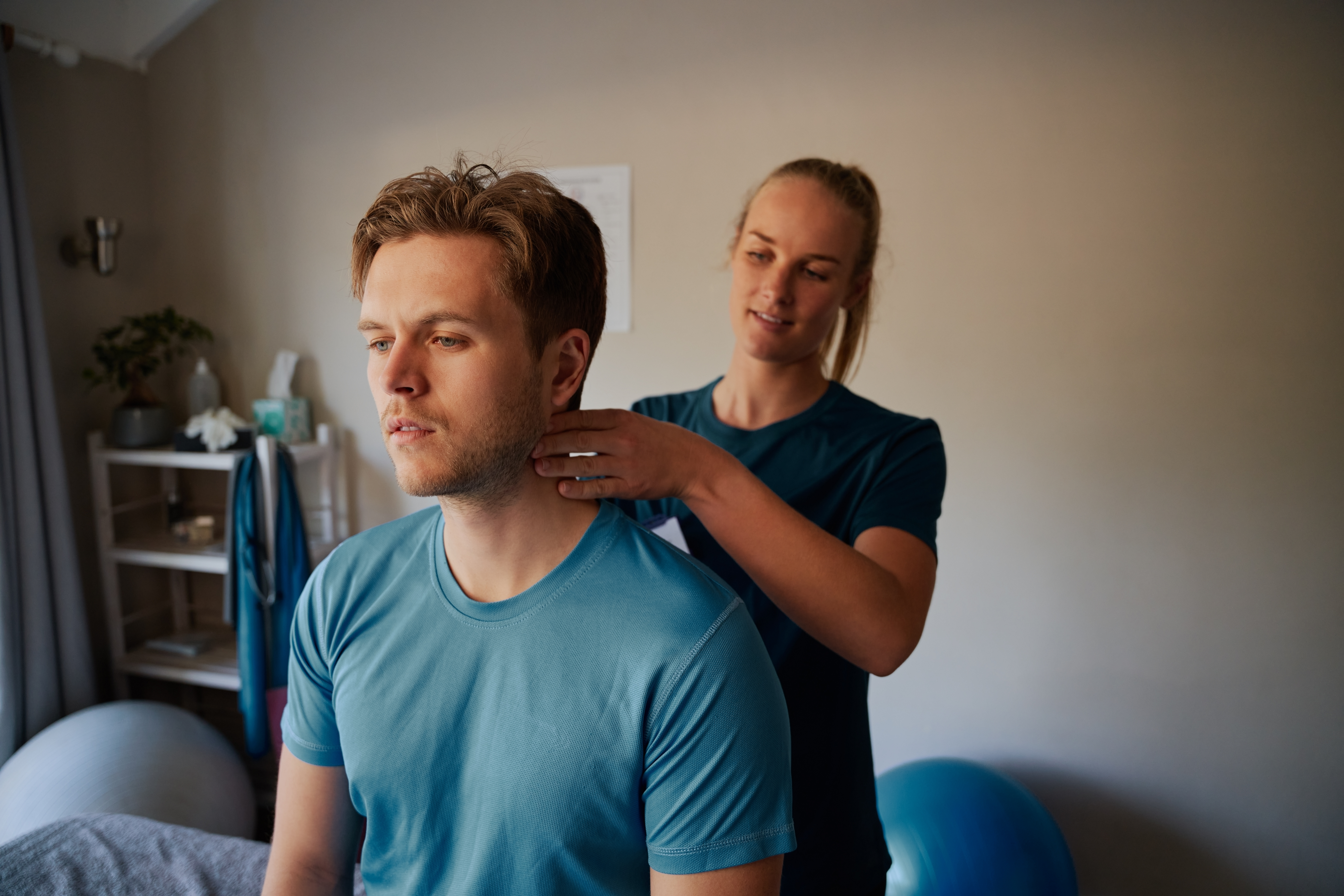
Philosophical and Clinical Approaches
One of the key differences between osteopathy and massage lies in their underlying philosophies. Osteopathy is built on a medical model and includes clinical reasoning, diagnosis, and a more structured treatment plan that may include long-term management. Osteopaths are trained to assess not only the musculoskeletal system but also consider the influence of internal systems such as the circulatory, nervous, and lymphatic systems on health and function. Massage, while highly therapeutic, does not typically involve medical diagnosis or a clinical assessment of the body’s internal function. The massage therapist will usually focus on relieving immediate muscular discomfort and stress, often without the broader diagnostic insight that an osteopath would provide. This is not to say that massage is less valuable—many people find it highly effective for relaxation, stress reduction, and easing muscular tightness. However, when it comes to complex or persistent musculoskeletal problems, osteopathy is more likely to provide a thorough clinical perspective.
Conditions Treated by Osteopaths and Massage Therapists
Osteopaths commonly treat a wide range of conditions, including chronic back and neck pain, joint issues, sciatica, sports injuries, headaches arising from the neck, postural problems, and even some digestive and circulatory issues. Because they are trained to perform a clinical examination, they are also well-placed to determine whether symptoms may be indicative of a more serious health problem. Massage therapists typically address issues such as muscular tension, stress, minor sports injuries, fatigue, and general aches and pains. While they can help manage pain and support relaxation, they usually work within narrower boundaries and do not provide medical diagnosis or advice. In many cases, massage is used as a complementary therapy to support recovery and wellbeing rather than as a standalone treatment for complex health issues.
Training and Qualifications: A Matter of Scope and Depth
In the UK, becoming an osteopath involves completing a degree that is both academic and clinical in nature. This means students not only study the theory of the body’s systems and disease processes but also spend many hours in clinical placements, gaining practical experience under supervision. Massage therapists may complete shorter training programmes, which can range from a few months to a couple of years, depending on the type of massage they are training in and the level of qualification. While many massage practitioners are highly skilled, their training does not usually include the depth of clinical or anatomical knowledge that osteopaths are required to have. Because of these differences, osteopaths can treat a wider range of conditions and are legally recognised as healthcare providers. They are also held to a statutory code of practice and are subject to formal complaints procedures through the General Osteopathic Council.
Patient Experience: What to Expect from Each
The patient experience can also differ between osteopathy and massage. An osteopathic appointment typically begins with a detailed case history, followed by a physical examination. This may involve the patient performing certain movements, as well as the osteopath using palpation (hands-on assessment) to examine the joints, muscles, and tissues. Treatment is tailored to the findings of the assessment and may include a combination of techniques, advice, and exercises. Massage therapy appointments usually start with a brief discussion about areas of tension, pain, or stress. The treatment then focuses on hands-on techniques designed to relax muscles and improve circulation. Sessions are often seen as restorative and calming, and many people find massage beneficial for their mental as well as physical wellbeing. While osteopathy often has a more clinical feel, both therapies aim to promote health, comfort, and functionality. Some people even choose to integrate both into their healthcare routine, using massage for general maintenance and osteopathy for more targeted treatment.
Regulation and Safety in the UK
In the UK, safety and regulation are another key area of distinction. As a regulated profession, osteopaths are legally required to maintain professional standards, undergo continuing professional development, and hold valid insurance. The General Osteopathic Council ensures compliance through periodic audits and the possibility of disciplinary action for misconduct. Massage therapy, while generally safe, is not governed by a statutory regulatory body. This means that standards can vary more widely between practitioners. For this reason, it’s important for individuals seeking massage to do their research, check qualifications, and seek recommendations.
Choosing the Right Therapy for You
Choosing between osteopathy and massage depends largely on your individual needs and health goals. If you are experiencing persistent pain, restricted movement, or a condition that may have an underlying structural cause, osteopathy is likely the more appropriate choice. An osteopath can assess the issue clinically, rule out more serious conditions, and offer a tailored treatment plan. If your primary concerns are stress, tension, or general muscular discomfort, massage can be an excellent way to unwind and support your physical wellbeing. It’s also a great option for those looking to maintain flexibility, improve circulation, or simply relax. There is no need to view these therapies as mutually exclusive. In fact, many people find that they complement each other well. Osteopathy can address the root cause of a musculoskeletal issue, while massage can help maintain muscular health and reduce day-to-day stress.
Final Thoughts
While both osteopathy and massage involve hands-on treatment and can support musculoskeletal health, they are distinct in their approach, training, and scope of practice. Osteopathy is a medically regulated profession with a focus on clinical diagnosis and holistic treatment, whereas massage therapy centres around relaxation and muscle relief without the same clinical framework. Whether you’re dealing with chronic pain, recovering from injury, or simply looking to improve your overall wellbeing, understanding the differences between these two therapies can help you make the best decision for your health. In many cases, a collaborative approach that draws on the strengths of both osteopathy and massage can offer the most comprehensive support for body and mind.
Contact the team at Croxley Osteopaths for all of your massage needs.