Pregnancy is a transformative journey, often marked by physical, emotional, and hormonal changes that significantly affect the body. While this period brings joy and anticipation, it also presents challenges that can impact an expectant mother’s overall health and wellbeing. Osteopathy, a holistic and non-invasive form of manual therapy, has gained increasing recognition in the United Kingdom as an effective approach to supporting a healthy pregnancy. By focusing on the body’s structure and function, osteopathy aims to alleviate discomfort, promote relaxation, and optimise the body’s ability to adapt to the changes of pregnancy.
Understanding Osteopathy and Its Role in Pregnancy
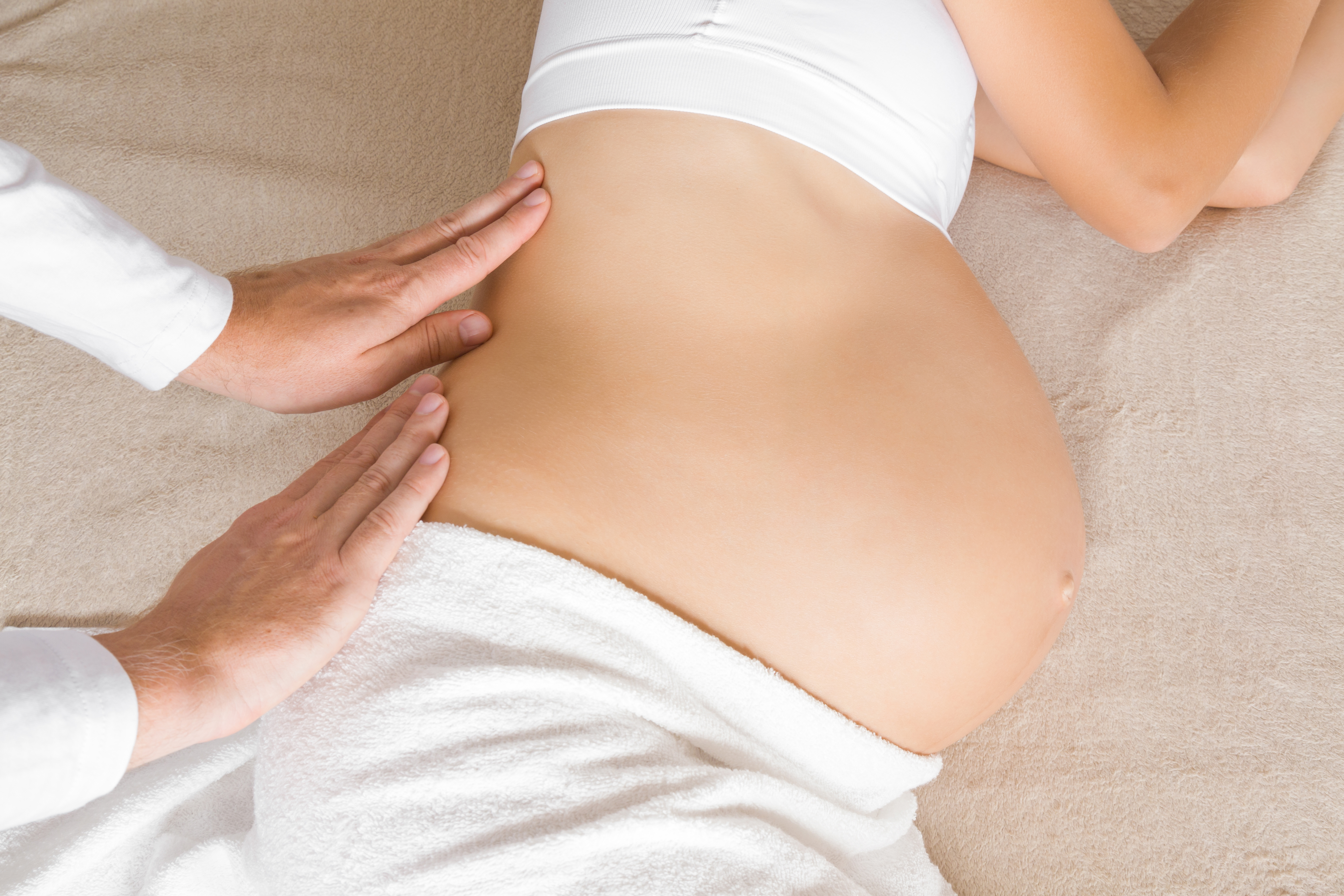
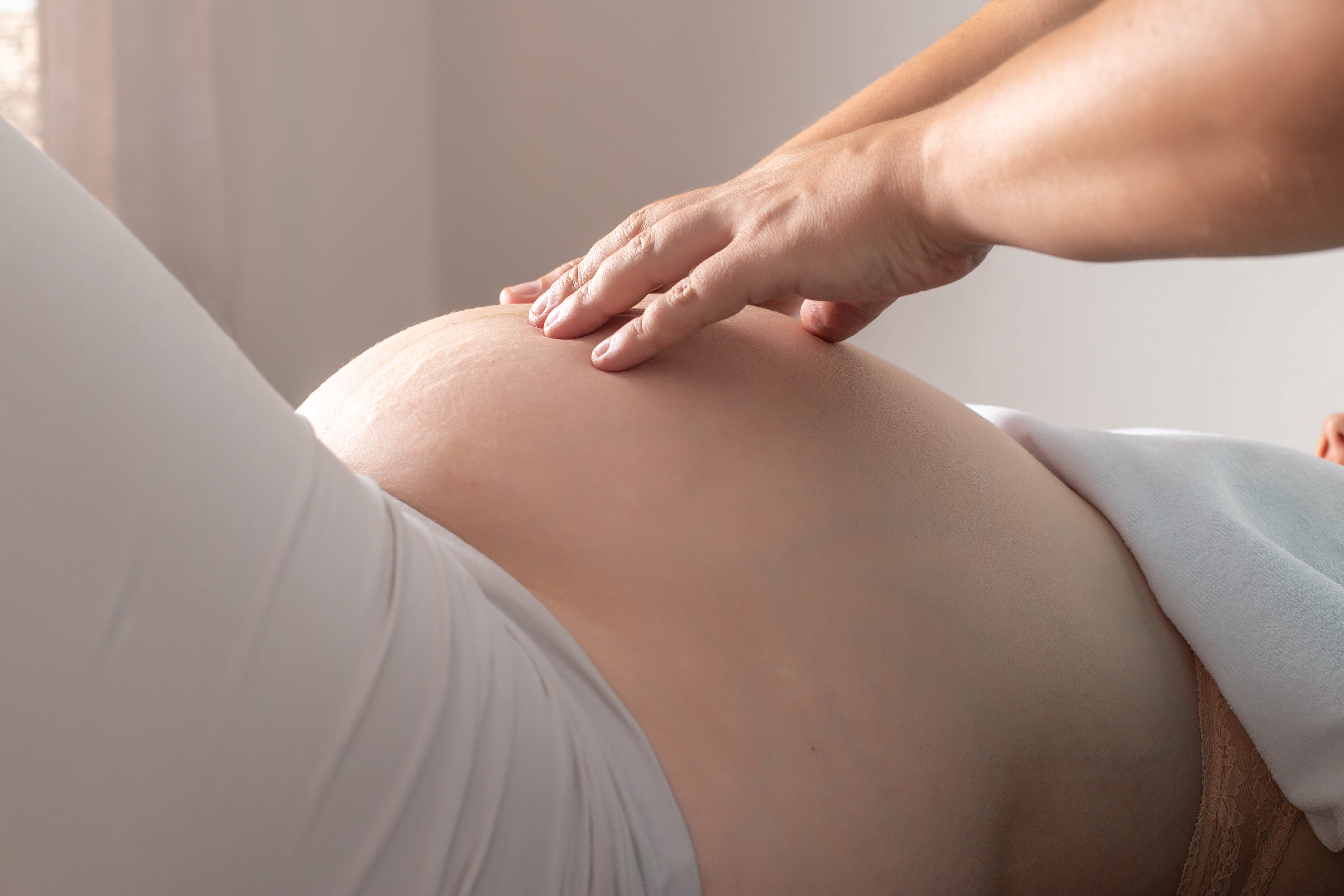
Osteopathy is grounded in the principle that the body has an innate ability to heal and maintain balance when its structure is functioning optimally. By using gentle manipulative techniques, osteopaths address musculoskeletal imbalances, improve mobility, and enhance overall health. For pregnant women, these principles are particularly beneficial, as the body undergoes significant physical changes to accommodate the growing baby. During pregnancy, the body’s posture and alignment are altered due to the expanding uterus, weight gain, and the release of hormones like relaxin, which loosens ligaments in preparation for childbirth. These changes can lead to strain on the spine, pelvis, and surrounding muscles, often resulting in discomfort and pain. Osteopathy provides tailored care to address these issues, ensuring that the body is well-supported throughout.
Alleviating Common Pregnancy Discomforts
Pregnancy-related discomforts, such as back pain, pelvic girdle pain, and sciatica, are common concerns for many expectant mothers. These conditions can arise due to the shift in the body’s centre of gravity, increased pressure on the pelvis, and the added strain on joints and muscles. Osteopathic treatment focuses on relieving tension, improving alignment, and restoring balance to alleviate these symptoms. For instance, an osteopath may use gentle spinal adjustments and soft tissue techniques to reduce pressure on the lower back and pelvis. This can provide significant relief from pain and improve mobility, making everyday activities more manageable for pregnant women. Additionally, by addressing musculoskeletal imbalances early on, osteopathy can help prevent the progression of discomfort as the pregnancy advances. Sciatica, which is caused by compression or irritation of the sciatic nerve, is another common issue during pregnancy. Osteopathic techniques aim to relieve this nerve compression, easing the associated pain and tingling sensations that often radiate down the legs. By reducing muscle tension and improving joint mobility, osteopathy can help manage sciatica effectively without the need for medication, which is often limited during pregnancy.
Supporting Pelvic Health and Preparing for Birth
The pelvis plays a central role during pregnancy and childbirth, providing the structural foundation for the growing baby and facilitating the birthing process. However, the added weight and hormonal changes can lead to pelvic misalignment, tightness, or instability, which may cause discomfort and complications during labour. Osteopathy focuses on optimising pelvic function to support a smoother pregnancy and birth experience. Osteopathic treatment can enhance the mobility and alignment of the pelvis, ensuring that it is well-prepared for childbirth. Techniques such as gentle joint mobilisation and myo-fascial release can help create space within the pelvis, improving comfort for the mother and accommodating the baby’s position. Additionally, osteopaths can provide advice on exercises and stretches to maintain pelvic health and flexibility, empowering expectant mothers to take an active role in their wellbeing. Another critical aspect of osteopathy’s role in pregnancy is its ability to address sacroiliac joint dysfunction. This condition, which affects the joints connecting the sacrum to the pelvis, is a common source of pain during pregnancy. By improving joint alignment and reducing inflammation, osteopathy can provide relief and promote better movement patterns, which are essential for labour and delivery.
Enhancing Circulation and Reducing Swelling
As pregnancy progresses, changes in circulation and fluid retention can lead to swelling, particularly in the legs and feet. This is often due to the increased pressure on blood vessels and the body’s efforts to accommodate a higher volume of blood and fluids. Osteopathy can help improve circulation and lymphatic drainage, reducing swelling and promoting overall comfort. Through gentle manipulative techniques, an osteopath can stimulate blood flow and encourage the drainage of excess fluids. This not only alleviates swelling but also helps prevent complications such as varicose veins and deep vein thrombosis (DVT). Improved circulation also supports the delivery of oxygen and nutrients to the baby, contributing to healthy foetal development. In addition to manual therapy, osteopaths may offer guidance on posture, movement, and lifestyle modifications to enhance circulation. For example, they may recommend strategies to avoid prolonged sitting or standing and suggest exercises to keep the blood flowing efficiently. By addressing these aspects holistically, osteopathy can provide comprehensive support for circulatory health during pregnancy.
Promoting Relaxation and Emotional Wellbeing
Pregnancy can be an emotionally intense time, with feelings of joy, excitement, and anticipation often accompanied by stress, anxiety, or fatigue. Osteopathy takes a holistic approach to care, recognising the interconnectedness of physical and emotional health. By promoting relaxation and reducing physical tension, osteopathy can have a positive impact on mental wellbeing. Gentle cranial osteopathy, a specialised form of osteopathy that focuses on the head and sacrum, is particularly effective in promoting relaxation. This technique uses subtle movements to release tension in the body, calming the nervous system and encouraging a sense of tranquillity. Many pregnant women report feeling deeply relaxed and rejuvenated after cranial osteopathy sessions, making it an excellent complement to other self-care practices. Additionally, osteopaths often provide a safe and supportive space for expectant mothers to discuss their concerns and experiences. This empathetic approach fosters a sense of connection and reassurance, which can be invaluable during the emotional ups and downs of pregnancy. By addressing both physical and emotional needs, osteopathy helps create a balanced and harmonious pregnancy experience.
Addressing Postural Changes and Preventing Long-Term Issues
The postural changes that occur during pregnancy can have lasting effects on the body if not addressed properly. For example, the increased curvature of the lower spine (lordosis) and forward tilting of the pelvis can lead to postural imbalances that persist after childbirth. Osteopathy focuses on correcting these changes to prevent long-term issues such as chronic back pain or pelvic instability. During pregnancy, an osteopath can assess and treat postural misalignments, helping the body adapt to the demands of carrying a baby. By improving posture and core stability, osteopathy not only supports the mother during pregnancy but also lays the groundwork for a smoother postpartum recovery. This proactive approach ensures that new mothers can transition into their post-pregnancy routines with greater ease and comfort. In addition to manual therapy, osteopaths may offer advice on ergonomics and body mechanics to minimise strain during everyday activities. For instance, they may suggest techniques for lifting, bending, or sleeping that reduce pressure on vulnerable areas. These practical insights empower expectant mothers to care for their bodies effectively, both during and after pregnancy.
Supporting Postpartum Recovery
Osteopathy’s benefits extend beyond pregnancy, providing valuable support during the postpartum period. After childbirth, the body undergoes significant changes as it begins to recover and adjust to its pre-pregnancy state. Osteopathy can help address issues such as pelvic misalignment, muscle weakness, and postural strain that may arise from labour and delivery. Postpartum osteopathic care often focuses on restoring balance to the pelvis and spine, which may have been affected during childbirth. This can alleviate pain, improve mobility, and promote healing, enabling new mothers to care for their babies more comfortably. Additionally, osteopathy can support recovery from conditions such as diastasis recti (separation of the abdominal muscles) and help strengthen the pelvic floor, which is crucial for long-term health. The postpartum period is also a time of significant emotional adjustment, and osteopathy’s holistic approach can help new mothers navigate this transition. By addressing physical discomfort and promoting relaxation, osteopathy creates a foundation for overall wellbeing, allowing new mothers to focus on bonding with their baby and embracing their new role.
Choosing Osteopathy as Part of Your Pregnancy Care
In the UK, osteopathy is a regulated healthcare profession, ensuring that practitioners meet high standards of training and professionalism. Many osteopaths specialise in pregnancy care and have extensive experience working with expectant mothers. When choosing an osteopath, it is important to select a practitioner who is registered with the General Osteopathic Council (GOsC) and has a thorough understanding of pregnancy-specific needs. Osteopathy is often used alongside other forms of antenatal care, such as midwifery, physiotherapy, and prenatal yoga, to provide comprehensive support during pregnancy. By integrating osteopathy into a holistic care plan, expectant mothers can enjoy the benefits of a balanced and well-supported journey to motherhood.

Supporting Digestive Health During Pregnancy
Digestive health is another area where osteopathy can provide significant benefits during pregnancy. Many expectant mothers experience digestive discomfort, such as heartburn, constipation, or bloating, due to hormonal changes and the physical pressure of the growing uterus on the digestive organs. These issues, while common, can cause distress and impact overall wellbeing. Osteopathy addresses digestive health by improving the mobility and function of the diaphragm and other structures involved in digestion. Techniques such as gentle visceral manipulation can help relieve tension in the abdomen, enhance blood flow to the digestive organs, and support the optimal movement of food through the gastrointestinal tract. This holistic approach not only alleviates symptoms but also helps create a sense of ease and comfort in the body. Additionally, osteopaths may provide practical advice on diet, hydration, and posture to complement the manual treatment. Simple changes, such as eating smaller meals, avoiding foods that trigger heartburn, and sitting in a supportive position during meals, can have a significant impact on digestive health. By addressing both the mechanical and lifestyle factors affecting digestion, osteopathy offers comprehensive support for this essential aspect of pregnancy health.
Enhancing Sleep Quality and Energy Levels
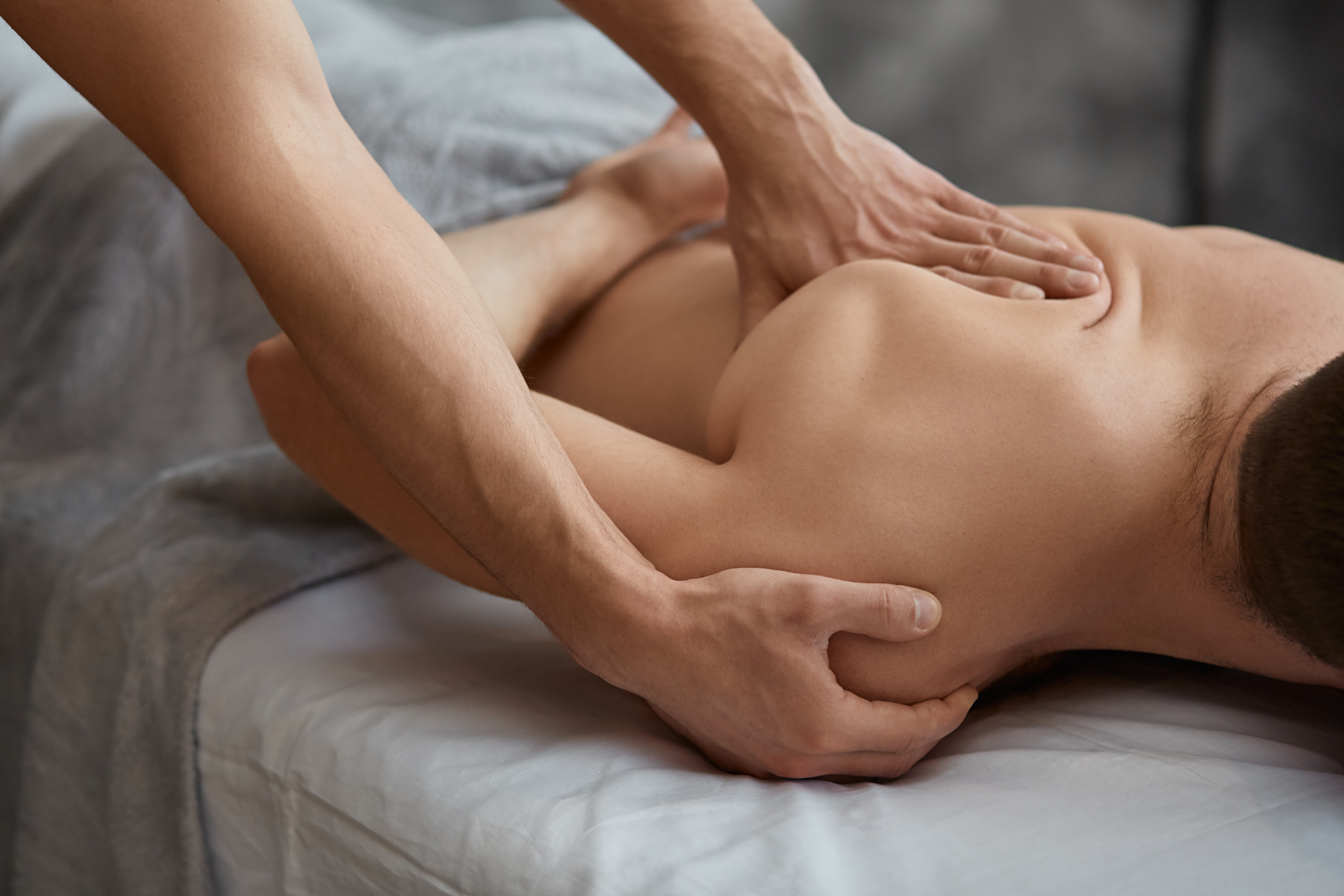
Sleep disturbances are a common challenge during pregnancy, with many women struggling to find comfortable sleeping positions or waking frequently due to discomfort or anxiety. Poor sleep can exacerbate fatigue and impact physical and emotional health, making it more difficult to manage the demands of pregnancy. Osteopathy can play a valuable role in improving sleep quality and energy levels by addressing the underlying causes of sleep disruption. Through gentle manual techniques, osteopathy can reduce muscle tension, relieve pain, and promote relaxation, making it easier for pregnant women to achieve restful sleep. For example, an osteopath may focus on releasing tightness in the shoulders, neck, or lower back, which can help alleviate discomfort and allow for a more comfortable sleeping posture. Cranial osteopathy, with its calming effects on the nervous system, is particularly effective in promoting deeper, more restorative sleep. Osteopaths may also provide guidance on creating a sleep-friendly environment and establishing a bedtime routine that encourages relaxation. Recommendations such as using supportive pillows, practicing gentle stretches before bed, or incorporating breathing exercises can further enhance sleep quality. By addressing both physical and environmental factors, osteopathy helps expectant mothers feel more energised and refreshed, supporting their overall wellbeing throughout pregnancy.
Embracing the Benefits of Osteopathy for a Healthy Pregnancy
Osteopathy offers a gentle, effective, and holistic approach to supporting a healthy pregnancy. From alleviating discomfort and promoting relaxation to optimising pelvic health and enhancing circulation, osteopathy addresses the unique challenges of pregnancy with care and precision. By empowering expectant mothers to take an active role in their wellbeing, osteopathy not only supports a smoother pregnancy but also lays the foundation for a positive postpartum experience. For women in the UK, osteopathy is a trusted and accessible option that complements traditional antenatal care. Whether you are experiencing specific discomforts or simply seeking to enhance your overall health during pregnancy, osteopathy provides a safe and nurturing solution. By investing in your physical and emotional wellbeing, you can embrace the transformative journey of pregnancy with confidence and ease. Contact Croxley Osteopathic Clinic to find out more.