Have you ever been minding your own business or trying to do something meaningful when a muscle cramp suddenly thwarts you? Ever been relaxing and felt your leg twitch uncontrollably or woken up by a painful, tense feeling? Whilst usually harmless, muscle cramps and spasms can cause discomfort that disrupts your daily life.
What Are Muscle Cramps And Spasms?
Muscle cramps and spasms are sudden and involuntary contractions of muscle fibres. They’re extremely common conditions, typically caused by muscular fatigue. During a cramp, muscles can tighten up until they are very firm and difficult to release; during a spasm, muscles twitch, tightly tensing and releasing repeatedly.
Cramps and spasms are most common at rest, such as lying or sitting down, particularly while in bed. The most common cramps and spasms are in the lower leg and shoulder muscles, as these muscles are used frequently and are more likely to be fatigued, but they can occur anywhere. Luckily, they are easy to prevent! Here are three quick tips for avoiding muscle cramps and spasms.
#1 Keeping Hydrated
An adequate supply of fluids is essential for muscular health. When your muscles are active, water is used by the muscle fibres to prevent irritation and to allow for smooth contraction and release. When the body is dehydrated, cells in the muscle fibres are likely to be irritated, causing the cramping or spasming sensation and accompanying pain.
The amount of water you need to drink depends on your size, age and weight, but doctors generally recommend six to eight glasses of water a day. Spreading water intake throughout your day is the easiest and most effective way to hydrate your muscles adequately.

#2 Gentle Stretching
If you are going to be exercising or using a muscle group for a long time, it’s important to gently stretch before and after to prevent muscle tightness and irritation. Moderate exercise can also act as a gentle stretch, such as a brisk walk or a light cycle ride.
Stretching can be as simple as swinging your arms or pointing your toes before exercise, and stretching routines are easily found online. You could even try yoga, a series of calisthenic stretching exercises that are very good for muscular health and maintenance.
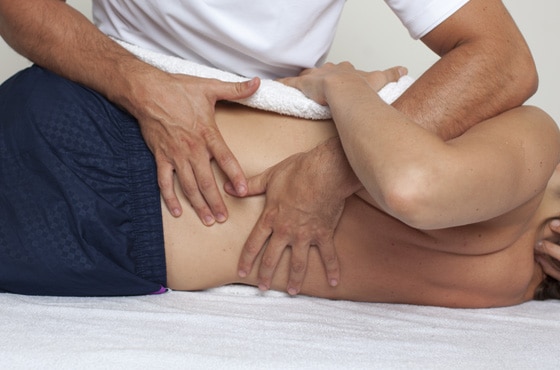
#3 Palpation and Massage
Firmly rubbing muscles is a great way to reduce soreness and prevent stored tension from becoming a cramp or spasm – massage can even help a muscle relax enough to give a more unrestricted range of movement.
Try rubbing a sore muscle in gentle but firm circles with your thumb or forefingers slowly while relaxing – warm massage oil can help lubricate this process to make it even easier and more effective. Alternatively, home massage tools such as foam rollers and massage guns can be used for hard-to-reach areas such as the shoulder blades or back.
Massage can be done alone, with a friend or family member, or even by professional practitioners qualified in massage therapy.
For further support and guidance with muscular issues from a local Hertfordshire based practitioner, feel free to contact Croxley Osteopathic Clinic Today. We are proud to offer not only services for Muscle Spasms Cramp Joint Pain but also Osteopathy Services, Sports Injury Treatment and Sciatica & Leg pain Treatment among others?