Pregnancy can be an exciting and fulfilling time for many women, but it can also bring a range of physical discomforts and pains. From backaches and headaches to pelvic pain and sciatica, pregnancy-related discomforts can affect a woman’s quality of life and even impact the health of her unborn child. While some women may turn to medication to manage their symptoms, others may seek natural and non-invasive therapies, such as osteopathy.
Osteopathy is a holistic approach to healthcare that focuses on the relationship between the body’s structure and function. Osteopaths believe that the body has the innate ability to heal itself, and they use various gentle manual techniques to help restore balance and promote healing. Here’s how osteopathy can help pregnant women with pain and discomfort:
Understanding The Benefits Of Osteopathy For Pregnant Women
Osteopathy is a safe and effective therapy for pregnant women, as it does not involve the use of drugs or surgery. Instead, an osteopath will work with the woman’s body to relieve tension, improve circulation, and enhance overall health and well-being. Here are some of the benefits of osteopathy during pregnancy:
Relieves back pain: Back pain is a common complaint among pregnant women, and osteopathy can help by improving spinal mobility, reducing tension in the muscles and joints, and enhancing circulation to the affected areas.
Improves pelvic alignment: The growing uterus can pressure the pelvis and cause misalignments, leading to discomfort and even complications during labour and delivery. Osteopathy can help realign the pelvis and promote optimal fetal positioning.
Eases digestive issues: Pregnancy can cause digestive problems like constipation and heartburn. Osteopathy can help by improving the function of the digestive system and reducing tension in the abdominal area.
Reduces stress and anxiety: Pregnancy can be stressful, and osteopathy can help promote relaxation and reduce anxiety by releasing muscle tension and promoting the production of endorphins, the body’s natural painkillers.
[/vc_column_text][/vc_column][/vc_row]
How Osteopathy Works for Pregnant Women
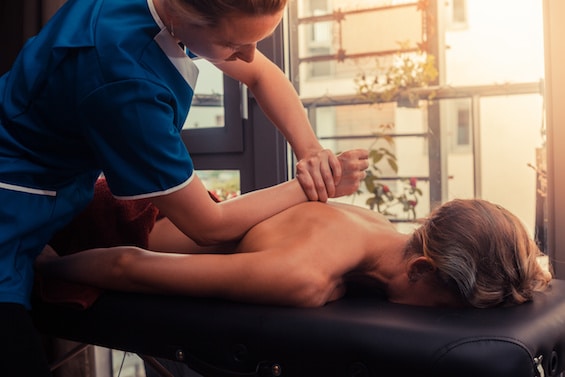
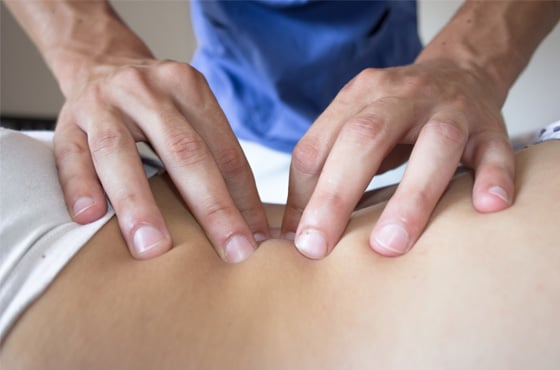
Osteopathy for pregnant women is tailored to their specific needs and concerns. During a session, an osteopath will use gentle manual techniques to identify and address areas of tension, restriction, or dysfunction in the body. Some of the techniques that may be used during an osteopathy session for pregnant women include:
Soft Tissue Massage
This involves gentle manipulation of the muscles, fascia, and other soft tissues to improve circulation and relieve tension.
Joint Mobilisation
This involves gentle manipulation of the joints to improve their range of motion and reduce pain and stiffness.
Craniosacral Therapy
This involves gentle manipulation of the bones of the skull and spine to promote relaxation and reduce tension in the nervous system.
Myofascial Release
This involves gentle stretching and manipulation of the fascia, the connective tissue surrounding the muscles and organs, to relieve tension and improve circulation.
How To Prepare For An Osteopathy Session During Pregnancy
If you’re considering osteopathy to help manage your pregnancy-related pain and discomfort, there are a few things you can do to prepare for your session. Here are some tips:
Choose a qualified osteopath: It’s important to choose an osteopath who is trained and experienced in working with pregnant women. Ask for recommendations from your healthcare provider, friends, or family members, and check the osteopath’s credentials and certifications.
Wear comfortable clothing: During your osteopathy session, you must lie down or sit comfortably while the osteopath manipulates your body. Wear loose, comfortable clothing that allows easy movement and access to the areas needing treatment.
Stay hydrated: Drinking plenty of water before and after your osteopathy session can help improve circulation and promote healing. Aim to drink at least eight glasses of water per day.
Communicate with your osteopath: Be open and honest with your osteopath about your symptoms, concerns, and medical history. This will help the osteopath tailor the treatment to your specific needs and ensure that it’s safe and effective.


What Are the Osteopathic Treatment Options?
Manipulation involves using gentle pressure to move bones into better alignment, usually with their hands or special instruments such as a small handheld roller called a ‘precordial thumper’.
Myofascial release involves applying sustained pressure to specific areas of muscle fibres to encourage them to relax. This technique can also be used alongside manipulation therapies.
Soft tissue massage – massaging affected areas can help reduce pain and improve mobility. The use of heat (thermotherapy) may also be beneficial for specific conditions such as lower back pain due to inflammation in surrounding tissues (myofascial trigger points).
When To Avoid Osteopathy During Pregnancy
While osteopathy is generally safe and effective for pregnant women, some situations may not be appropriate. Here are some instances where you should avoid osteopathy during pregnancy:
- High-risk pregnancy: If you have a high-risk pregnancy, such as a history of preterm labour, gestational diabetes, or preeclampsia, osteopathy may not be recommended. Consult with your healthcare provider before seeking osteopathy.
- Severe pain or bleeding: If you’re experiencing severe pain or bleeding, seek emergency medical attention instead of osteopathy.
- Certain medical conditions: If you have certain medical conditions, such as osteoporosis, arthritis, or a herniated disc, osteopathy may not suit you. Consult with your healthcare provider before seeking osteopathy.
Remember…
Osteopathy can be a safe and effective therapy for pregnant women who are experiencing pain and discomfort. By improving spinal mobility, pelvic alignment, digestive function and reducing stress and anxiety, osteopathy can help pregnant women enjoy a comfortable and healthy pregnancy. However, it’s important to choose a qualified osteopath, communicate with them about your symptoms and concerns, and avoid osteopathy in certain situations. If you’re pregnant and interested in osteopathy, talk to your healthcare provider to see if it’s right for you.
Contact Us
Pregnancy can bring many physical and emotional challenges, and osteopathy can help pregnant women manage their symptoms and improve their overall health and well-being. Whether you’re experiencing back pain, pelvic discomfort, or digestive issues, an osteopath can work with you to address your concerns and help you enjoy a comfortable and healthy pregnancy. If you’re pregnant and interested in osteopathy, talk to Croxley Osteopathic Clinic today.